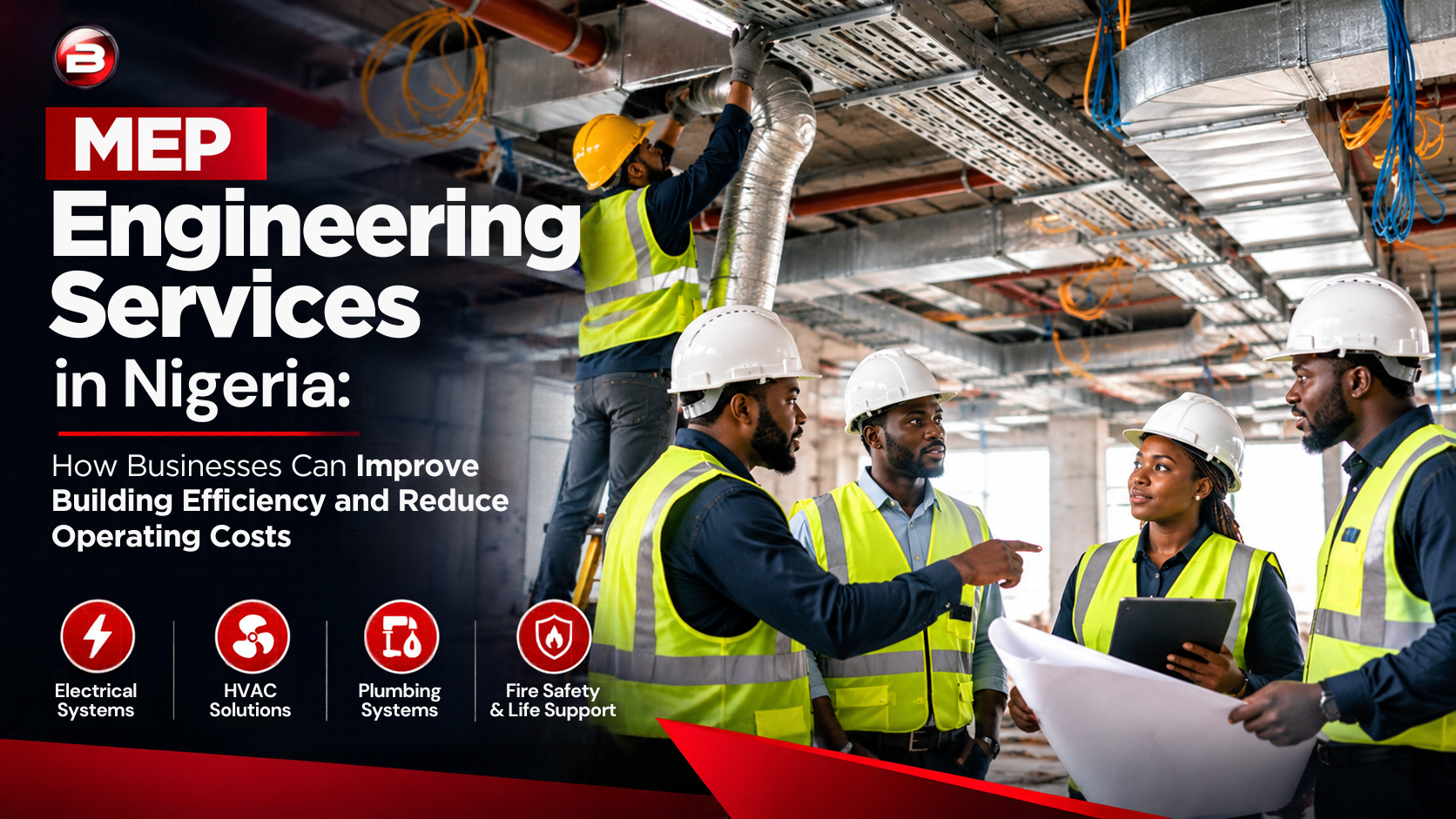
MEP Engineering Services in Nigeria: How Businesses Can Improve Building Efficiency and Reduce Operating Costs
MEP Engineering Services in Nigeria: How Businesses Can Improve Building Efficiency and Reduce Operating Costs
A commercial building is only as efficient as the systems that keep it operating. From air conditioning and ventilation to electrical distribution, water supply and drainage, these essential services influence energy use, occupant comfort, safety and maintenance costs. When they are poorly designed, installed or maintained, businesses can face avoidable downtime, inconsistent indoor conditions and expensive repairs.
Mechanical, Electrical and Plumbing (MEP) engineering brings these systems together through coordinated planning, installation and maintenance. For businesses in Nigeria managing offices, hospitals, hotels, factories, retail spaces or other commercial facilities, effective MEP solutions can help improve building performance and support more predictable operating costs.
What Are MEP Engineering Services?
MEP stands for Mechanical, Electrical and Plumbing. These interconnected building services help make a facility functional, safe and comfortable. MEP engineering involves designing, coordinating, installing, testing and maintaining the systems required for a building to operate effectively.
Mechanical systems
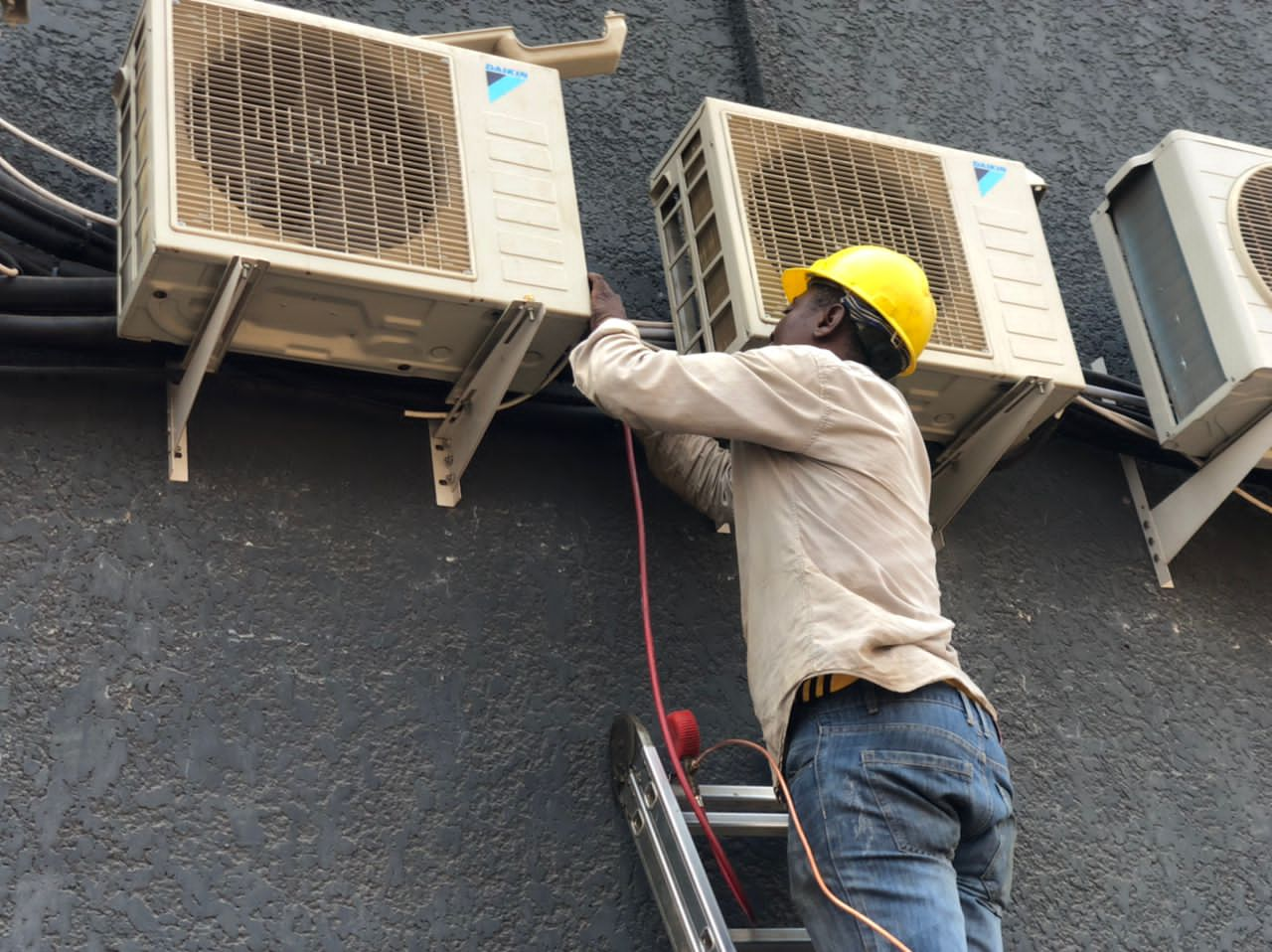
Mechanical services commonly include heating, ventilation and air conditioning (HVAC), ventilation equipment and related mechanical installations. Properly selected and maintained systems help manage indoor temperature, air movement and comfort while avoiding unnecessary energy use.
Electrical systems
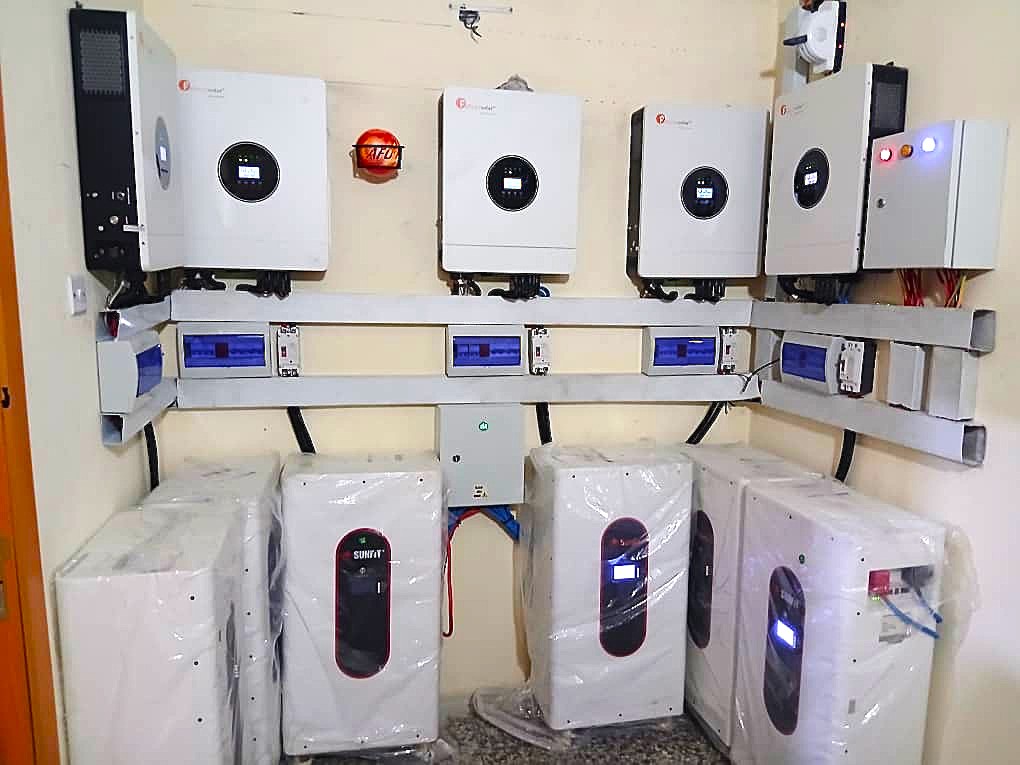
Electrical services can include power distribution, lighting, backup power integration, earthing and other building electrical infrastructure. Good design and installation support reliable operation, appropriate protection and safer use of electrical equipment.
Plumbing systems
Plumbing services cover water supply, sanitary drainage, wastewater systems and related pipework. Correct sizing, suitable materials and planned maintenance help protect water quality, reduce leaks and support dependable facility operations.
How MEP Engineering Can Improve Building Efficiency
1. Helps manage energy consumption
HVAC equipment, lighting and other electrical loads can account for a significant share of a building’s energy use. Efficient equipment selection, properly designed controls, appropriate lighting and routine servicing can help reduce wasted energy. An assessment of operating schedules and actual demand can also reveal where adjustments may improve performance.
2. Reduces avoidable maintenance and repair costs
A proactive maintenance plan can identify worn components, blocked drainage, leaking pipes, loose electrical connections or poorly performing equipment before they develop into larger problems. Preventive maintenance does not eliminate every failure, but it can reduce the likelihood of disruptive breakdowns and help teams plan expenditure more effectively.
3. Supports comfort and productivity
Poor ventilation, inconsistent cooling, inadequate lighting or unreliable water supply can affect the experience of employees, customers, patients and visitors. Well-coordinated MEP systems help maintain suitable indoor conditions and dependable essential services for the people using the facility.
4. Improves safety and reliability
Electrical protection, correctly installed pipework, suitable ventilation and coordinated building services all contribute to safer operations. MEP work should be planned and delivered by competent professionals in line with applicable Nigerian requirements, relevant standards, equipment specifications and project-specific risk assessments.
5. Makes future upgrades easier
Buildings change as businesses expand, add equipment or adopt new technologies. Coordinated MEP design and accurate documentation can make it easier to assess capacity, plan upgrades and reduce clashes between systems during renovations or fit-outs.
Common MEP Problems That Can Increase Operating Costs
Businesses may experience avoidable cost and disruption when building services are not properly coordinated or maintained. Common issues include:
- HVAC equipment that is incorrectly sized, poorly controlled or overdue for servicing.
- Electrical distribution that does not adequately reflect actual loads or future requirements.
- Water leaks, blocked drains and poorly planned access to plumbing components.
- Clashes between ducts, pipes, cable trays and other building services.
- Incomplete commissioning records, drawings or maintenance documentation.
- Reactive maintenance practices that address symptoms only after a breakdown occurs.
The right response depends on the building, its usage and the condition of its systems. A professional assessment can help prioritise urgent safety concerns, efficiency improvements and longer-term capital works.
Practical Steps for Improving MEP Performance
- Arrange an MEP assessment: Review the condition, capacity and performance of mechanical, electrical and plumbing systems.
- Track energy and utility use: Compare consumption over time and investigate unusual changes.
- Create a preventive maintenance schedule: Set service intervals based on manufacturer guidance, operating conditions and risk.
- Coordinate systems before installation: Resolve design conflicts early and confirm that equipment can be accessed for servicing.
- Test and commission systems: Verify that installed equipment operates as intended and that controls and safety measures work correctly.
- Keep records up to date: Maintain drawings, equipment schedules, service reports and asset histories.
- Plan for future demand: Consider expansion, new equipment, resilience requirements and energy-management opportunities.
Choosing an MEP Engineering Partner in Nigeria
Selecting an MEP partner is an important decision for any commercial project. Before engaging a contractor or engineering provider, businesses should consider:
- Relevant experience with facilities and projects of a similar size and type.
- The ability to coordinate mechanical, electrical and plumbing disciplines.
- Clear scope definitions, deliverables, timelines and communication processes.
- Qualified personnel, appropriate safety procedures and compliance with applicable requirements.
- Testing, commissioning, handover documentation and after-installation support.
- A maintenance approach that considers lifecycle performance, not just initial installation cost.
The lowest initial quotation may not represent the best overall value. A well-defined scope and a focus on system performance, reliability, maintainability and lifecycle cost can help businesses make more informed decisions.
Why Integrated MEP Planning Matters
Mechanical, electrical and plumbing systems do not operate in isolation. HVAC equipment needs suitable electrical capacity; pipework and drainage require space and access; and maintenance teams need clear routes to inspect and service equipment. Coordinating these requirements early helps reduce rework, delays and operational challenges after handover.
For new builds, renovations and existing facilities, integrated planning creates a clearer view of how building systems work together. It can also help owners establish realistic maintenance priorities and identify opportunities to improve performance over the life of the building.
MEP engineering services are central to the efficiency, safety and day-to-day performance of commercial buildings. With appropriate design, coordinated installation, commissioning and preventive maintenance, businesses can better manage energy use, reduce avoidable disruption and provide a more dependable environment for occupants.
For organisations in Nigeria, the starting point is understanding the condition and requirements of the facility, then working with a capable engineering partner to develop practical, fit-for-purpose solutions.
Basscomm supports businesses seeking engineering solutions for their facilities and projects. If you are planning a new development, upgrading an existing building or reviewing the performance of your building services, contact the Basscomm team to discuss your requirements.
Contact: crm@basscommgroup.com
+2349138452783